
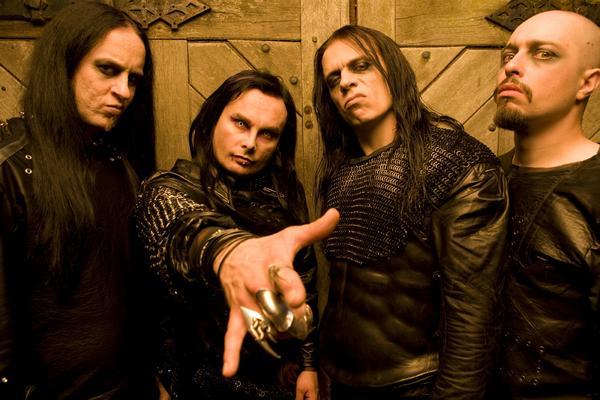

I’m chaos international
The writing on the wall
A Lazarus in parable
A dark and sullen lullaby
Whispered softly as you die
Promising torments are nigh
Danger warning levels hissed out loud
I saw the silver lining hidden in a mushroom cloud
Now I’m reeling from the shock at ground zero
If yesterday you would have stood up proud
Then why tonight have you thrown in with the stoning crowd?
I’ll breathe through the foetus of a new day kicking…
The foetus of a new day kicking
It’s true that Jesus cannot save
I’m rising from the grave
To put my double cross to shame
A poison rush, a heart attack
A white assassin painted black
You’ll fear this reaper coming back
Danger warning levels hissed out loud
I saw the silver lining hidden in a mushroom cloud
Now I’m reeling from the shock at ground zero
If yesterday you would have stood up proud
Then why tonight have you thrown in with the stoning crowd?
I’ll breathe through the foetus of a new day kicking…
On a night like this
You laid the serpent’s kiss
In this garden of Gethsemane
You played the traitor well…
In a dawn to come
I will blind the sun
To grant you pardon as my enemy
Before damning you to hell…
Centralnym tematem utworu wydaje się być zmartwychwstanie, odrodzenie. Po symbolizującej śmierć lub upadek duchowy nocy rodzi się nowy dzień (stąd tytuł – „płód nowego dnia”); ma miejsce rezurekcja.
W tekście zwraca uwagę przede wszystkim nawiązanie do postaci Łazarza, mężczyzny wskrzeszonego przez Chrystusa. Również w teledysku widzimy ludzi, którzy wygrzebują siebie spod ziemi – jak gdyby nastał dzień Sądu Ostatecznego. Cała kompozycja w sposób typowy dla Cradle of Filth nasycona jest biblijną symboliką („ogród Gestemani”, „pocałunek węża” – odniesienie do szatana).
Dani Filth wyjaśnił przekaz kompozycji w następujących słowach:
„Po »długiej, ciemnej nocy duszy« nastaje świt, dwukrotnie potężny. Ponownie używając religijnej symboliki i flirtując z bardziej nowoczesną tragedią, ta piosenka dotyka nie tylko tematu desperacji i duchowej śmierci, ale również, co jest dużo bardziej istotne, zmartwychwstania złamanej jednostki, która podnosi się z podwójną siłą”.















Komentarze (0)