

The enemy has come for you
Hear the pounding thunder hooves
There’s no time to run or hide
Draw the weapon from your side
When they ride out from morning mist
With sharp blades in mighty fists
One hundred warriors on horse
An awesome brutal force
You feel weak and scared
Fear has gripped your heart
You will soon be overrun
You will soon be torn apart
Now, where is your God?
Does he hear your prayers?
Does he even care for you?
His silence speaks loud and clear
Raid is done, see the country burn
All are gone, only misery remains
Raid is done, the warriors return
All are gone and all that’s left is pain
The Vikings strike, so fast and hard
Those who run won’t make it far
And those who chose to stand and fight
They have made the choice to die
The weapons tear through flesh and bone
Dying men that scream and moan
With severed limbs to the hall of death
The battlefield is full of death
Feel the strength of rotting flesh
When the entire country burns
As the warriors return
And they came out from morning mist
With sharp blades in mighty fists
They leave this land all burned and scorn
Those alive will mourn
Now, where is your God?
Does he hear your prayers?
Does he even care for you?
His silence speaks loud and clear
Raid is done, see the country burn
All are gone, only misery remains
Raid is done, the warriors return
All are gone and all that’s left is pain
Raid is done, see the country burn
Only misery remains
All are gone, the warriors return
And all that’s left is pain
Where is your God?
Does he hear your prayers?
Does he even care?
Wheres your God?
Does he hear your prayers?
His silence speaks loud and clear
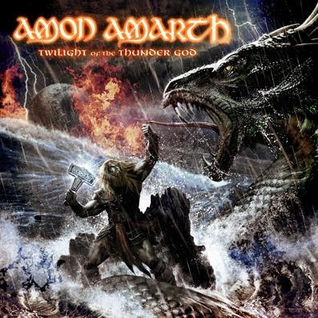
Amon Amarth opowiada o krwawym najeździe, dokonanym przez budzących grozę wikingów. Wojownicy z Północy nie okazują litości, a nieszczęsne ofiary napaści nie mają najmniejszych szans, aby przeciwstawić się sile nordyckiego oręża. W niczym nie pomoże ani ucieczka, ani desperacki opór. Kiedy słudzy Thora odejdą, pozostawią po sobie tylko zgliszcza, spaloną ziemię i zwłoki.
Chociaż w tekście nie znajdziemy bezpośrednich nawiązań do chrześcijaństwa, nietrudno domyślić się, że właśnie wyznawcy tej religii padają tutaj ofiarami wikingów. Szwedzi opisują wyznawców Chrystusa jako słabych, niezdolnych stawić czoła mężnym, zaprawionym w boju najeźdźcom.
Przerażeni chrześcijanie modlą się do swojego Boga, ale nie daje im to ocalenia. W oczach wikingów dowodzą tylko swojej słabości i tego, że nie zasługują na litość. Nikt nie wysłucha błagalnych próśb, kierowanych w stronę krzyża – obcego znaku, którym gardzą wojownicy z Północy. Gdzie jest teraz twój bóg, pytają, świadomi siły własnych mieczy.















Komentarze (0)