
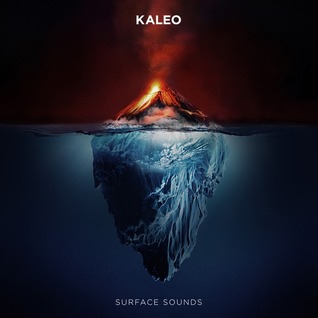

[Verse 1]
Meet me by the riverside
[?] on the day
Don’t know what’s the [?] promise land
Say, he ain’t they kid you want
Someone has to pay
They will not be pleased before they see him hanged
[Chorus 1]
As he cries loud
Turn and face the crowd as he cries out
No one makes a sound as he cries out
Oh, he has to go, he cries out
It’s your spirit now
Find me in the river
Swing me from the tree
So will you free the slave in me?
[Post-Chorus]
Oh, oh
[Verse 2]
Leave me when the time is near
Leave me, leave me
This is not the way you should remember me
Have you nothing else to say?
Final words, the truth
Give them [further?] for they know now what they do
[Chorus 2]
As he cries loud
As he can’t be found as he cries out
No one makes a sound as he cries out
Oh, he has to cry, he cries out
Is your [?] down?
Throw me in the ocean
Pass me in the sea
So will you free the slave in me?
[Bridge]
Don’t you know, oh, don’t you know?
Whoa, they comin’ home for you
You can run, run on now
Oh, they comin’ home for you
Until you bleed, oh
Until you bleed, oh
Darkness is coming
Darkness
You should take shelter
You should take shelter
Darkness is coming
Darkness and hell
[Outro]
Is your conscience clear?
Have you seen the black man hanging from the tree?
Say, who’ll be the first to sleep?
„Free the Slave” to utwór pochodzący z wydanego 23 kwietnia 2021 roku trzeciego albumu studyjnego islandzkiego zespołu rockowego KALEO, zatytułowanego „Surface Sounds.” Wydawnictwo jest następcą przełomowego albumu Zespołu, „A/B” z 2016 roku. Wcześniej, w ramach promocji projektu, ukazały się single: „Break My Baby”, „Alter Ego”, „I Want More”, „Backbone”, „I Walk on Water” oraz „Skinny.”
Piosenka „Free the Slave” wydaje się odwoływać do pierwszej piosenki z albumu – „Brother Run Fast.” Frontman KALEO, Jökull Júlíusson, może mówić tu o byciu niewolnikiem przemysłu muzycznego i chęci uwolnienia się do wykonywania swojej muzyki zgodnie z własnymi emocjami.
Sam motyw wieszania czarnego człowieka, jest jednak bardzo zbliżony do metaforyko wykorzystanej w doskonale znanej piosence Billie Holiday, zatytułowanej „Strange Fruit”, gdzie martwe ciała niewolników porównywane są do tytułowych „dziwnych owoców.” Dlatego też można wnioskować, że tekst napisany przez JJ’a swoją motywację może znajdować w obecnej sytuacji społecznej i politycznej w USA, szczególnie napiętej po zabójstwie George’a Floyda.













Komentarze (0)