





Tekst piosenki
Your love is king, crown you in my heart
Your love is king, never need to part
Your kisses ring, round and round and round my head
Touching the very part of me, it’s making my soul sing
Tearing the very heart of me, I’m crying out for more
Your love is king, crown you in my heart
Your love is king, you’re the ruler of my heart
Your kisses ring, round and round and round my head
Touching the very part of me, it’s making my soul sing
I’m crying out for more, your love is king
I’m coming on, I’m coming
You’re making me dance, inside
Your love is king, crown you in my heart
Your love is king, never need to part
Your kisses ring, round and round and round my head
Touching the very part of me, it’s making my soul sing
Tearing the very heart of me, I’m crying out for more
Touching the very part of me, it’s making my soul sing
I’m crying out for more, your love is king
This is no blind faith, this is no sad and sorry dream
This is no blind faith, your love, your love is real
Gotta crown me with your heart
(Your love is king)
Never, never need to part
(Your love is king)
Touch me
(Your love is king)
Never letting go
(Your love is king)
(Your love is king)
Never letting go of your love
(Your love is king)
Never gonna give it up
(Your love is king)
I’m coming
(Your love is king)
Making me dance
Tłumaczenie piosenki
Analiza piosenki
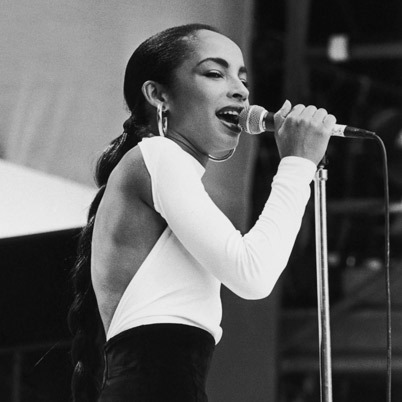
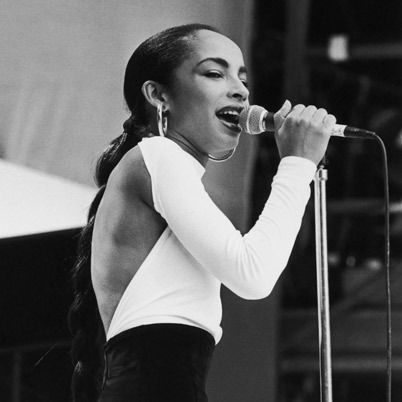
Sade, jako artystka, która dużo śpiewa o miłości, łatwo jej ocenić utwór „Twoja miłość jest królem” jako kolejną część podziękowania za miłość, której doświadcza w swoim życiu. Jest niesamowicie wdzięczna za to, co otrzymuje od życia i od Boga.
Jednak nie daj się zwieść! To co jest najważniejsze ukryte jest między wierszami. Ta piosenka jest również i, powiedziałbym, przede wszystkim o kobiecie, która przeżywa najwyższy stan uniesienia, ponieważ jej kochanek znajduje się najbliżej niej.
Staje się jasne, że Sade mówi o czymś więcej niż o miłości jako o emocjach. Mówi także o miłości jako o intymnym, wyzwolonym, seksualnym akcie. Twoje „pocałunki okrążają… moją głowę”: ruchy jednego języka wokół i wokół „głowy”. Jak inaczej mogłaby osiągnąć punkt kulminacyjny, gdyby ten ruch się nie powtórzył?





Komentarze (0)