
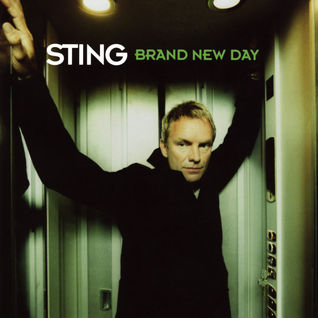




Tekst piosenki
[Intro: Cheb Mami]
Hathe mada tawila
Wa ana nahos ana wahala ghzalti
Wa ana nahos ana wahala ghzalti
Wa ana nahos ana wahala ghzalti
[Verse 1: Sting]
I dream of rain
I dream of gardens in the desert sand
I wake in vain
I dream of love as time runs through my hand
I dream of fire
Those dreams are tied to a horse that will never tire
And in the flames
Her shadows play in the shape of a man’s desire
This desert rose
Each of her veils, a secret promise
This desert flower
No sweet perfume ever tortured me more than this
And as she turns
This way she moves in the logic of all my dreams
This fire burns
I realize that nothing’s as it seems
I dream of rain
I dream of gardens in the desert sand
I wake in vain
I dream of love as time runs through my hand
I dream of rain
I lift my gaze to empty skies above
I close my eyes
This rare perfume is the sweet intoxication of her love
[Cheb Mami]
Aman aman aman
Omry feek antia
Ma ghair antia
Ma ghair antia
[Verse 2: Sting]
I dream of rain
I dream of gardens in the desert sand
I wake in vain
I dream of love as time runs through my hand
Sweet desert rose
Each of her veils, a secret promise
This desert flower
No sweet perfume ever tortured me more than this
Sweet desert rose
This memory of Eden haunts us all
This desert flower
This rare perfume, is the sweet intoxication of the fall
[Outro: Cheb Mami]
Ya lili ah ya leel
Tłumaczenie piosenki
Och nocy, och nocy
(z arabskiego)
Zbyt długo
poszukiwałem mej ukochanej
poszukiwałem mej ukochanej
poszukiwałem mej ukochanej
Śnię o deszczu
Śnię o ogrodach wśród pustynnych piasków
Budzę się w bólu
Śnię o miłości, a czas przesypuje się przez mą dłoń
Śnię o ogniu
Te sny są zaprzęgnięte do konia, który nigdy się nie zmęczy
A w płomieniach
Jej cienie poruszają się na kształt męskiego pożądania
Ta pustynna róża
Każdy z jej płatków to tajemnicza obietnica
Ten pustynny kwiat
Żadna słodka woń nie nękała mnie nigdy bardziej niż ta
A kiedy się obraca
Sposób w jaki się porusza w logice mych myśli
Ogień płonie
Zdaję sobie sprawę się, że nic nie jest takie, na jakie wygląda
Śnię o deszczu
Śnię o ogrodach wśród pustynnych piasków
Budzę się w bólu
Śnię o miłości, a czas przesypuje się przez mą dłoń
Śnię o deszczu
Podnoszę wzrok ku pustym niebiosom
Zamykam oczy, ta niepowtarzalna woń
Jest słodką trucizną jej miłości
(z arabskiego)
Pokój, pokój, pokój
Śnię o deszczu
Śnię o ogrodach wśród pustynnych piasków
Budzę się w bólu
Śnię o miłości, a czas przesypuje się przez mą dłoń
(z arabskiego)
Masz moje życie
Nikt inny prócz Ciebie
Nikt inny prócz Ciebie
Słodka pustynna róża
Każdy z jej płatków to tajemnicza obietnica
Ten pustynny kwiat
Żadna słodka woń nie nękała mnie nigdy bardziej niż ta
Słodka pustynna róża
Wspomnienie Edenu ściga nas wszystkich
Ten pustynny kwiat, ta niepowtarzalna woń
Jest słodką trucizną upadku
(z arabskiego)
Moja nocy, och nocy
Analiza piosenki
Piosenka zaśpiewana w duecie z wokalistą Chebem Mami. Tekst utworu został zainspirowany powieścią „Diuna” autorstwa Franka Herberta. Artyści wspólnie tworzą tutaj poruszający obraz niszczycielskiej siły miłości. Intro w wykonaniu Mamiego, w tłumaczeniu na polski, oznacza poszukiwanie samego siebie i swojej ukochanej, bliskiej osoby.
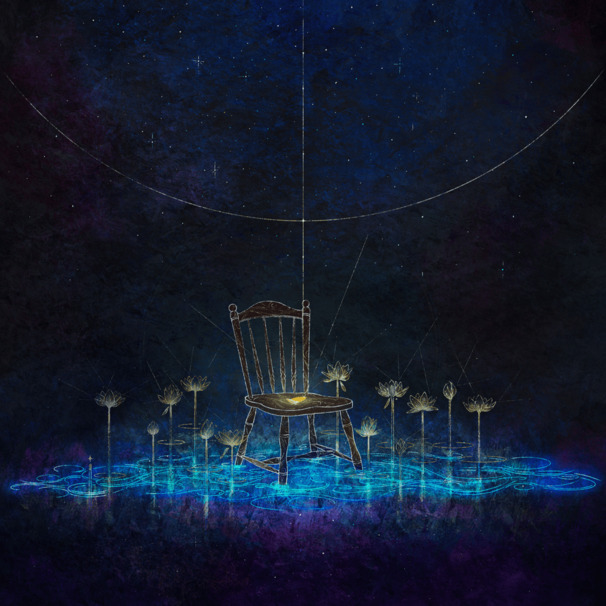
Słowa utworu są rozpaczliwą próbą opowiedzenia o uczuciu, które rujnuje życie narratora. Tylko w snach zbliża się do swojej ukochanej, by na jawie znów uświadomić sobie swoją bolesną samotność. Jego cierpienia są niezmierzone, wokół niego jest pustynia – symbol samotności, alienacji. Choć chciałby widzieć tam raczej rajski ogród, nie potrafi zasadzić choćby jednego kwiatu.
Piosenka traktuje o miłości, która posiada moc niszczenia. Tytułowa „pustynna róża” to najpewniej właśnie kobieta, o której marzy, a z którą nie może być narrator tej opowieści. Kontrastem do pustynnego obrazu są kwitnące ogrody oraz deszcz. Ożywcze opady symbolizują ulgę w miłosnym cierpieniu, którą miałyby przynieść naszemu bohaterowi. To o nich marzy, o spełnionej miłości.









Komentarze (0)