



Into the Motherland the German army march!
In the Soviet Union, Summer 1943
Tanks line up in thousands, as far the eye can see
Ready for the onslaught, ready for the fight
Waiting for the Axis, to march into the trap
Mines are placed in darkness
In the cover of the night
Waiting to be triggered
When the time is right
Imminent invasion
Imminent attack
Once the battle’s started
There’s no turning back
The end of the Third Reich draws near
Its time has come to an end
The end of an era is near
It’s time to attack
Into the Motherland the German Army march!
Comrades, stand side by side, to stop the Nazi charge
Panzers on Russian soil thunder in the east
One million men at war, the Soviet wrath unleashed
Fields of Prokhorovka, the heat of battle burned
Suffered heavy losses, the tide of war has turned
Driving back the Germans, fighting on four fronts
Hunt them out of Russia, out of Soviet land
Reinforce the frontline, force the Axis to retreat
Send in all the reserves, securing their defeat
Soldiers of the Union broke the Citadel
„Ruins of an Army Axis rest in hell”
The end of the Third Reich draws near
Its time has come to an end
The end of an era is near
It’s time to attack
Into the Motherland the German Army march!
Comrades, stand side by side, to stop the Nazi charge
Panzers on Russian soil
Thunder in the east
One million men at war, the Soviet wrath unleashed
Oh, Mother Russia, union of lands
Will of the people, strong in command
Oh, Mother Russia, union of lands
Once more victorious, the Red Army stands
The end of the Third Reich draws near
Its time has come to an end
The end of an era is near
It’s time to attack
Into the Motherland the German Army march!
Comrades, stand side by side, to stop the Nazi charge
Panzers on Russian soil
Thunder in the east
One million men at war, the Soviet wrath unleashed
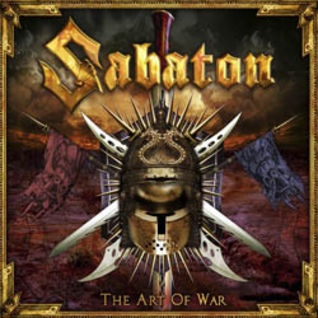
Motywem przewodnim płyty The Art of War jest starożytny chiński traktat Sztuka wojny, napisany przez generała Sun Wu w VI stuleciu p. n. e. Każdy z trzynastu utworów odpowiada jednemu z trzynastu rozdziałów traktatu. Równocześnie Szwedzi nawiązują do historycznych wydarzeń, które odzwierciedlają treść poszczególnych rozdziałów.
Panzerkampf, czyli Walka pancerna, wiąże się z dziewiątym rozdziałem Sztuki wojny, zatytułowanym Ruchy wojsk. Sabaton przypomina historię Bitwy na Łuku Kurskim, stoczonej między 5 lipca a 23 sierpnia 1943 roku na froncie wschodnim. Starcie Armii Czerwonej z Wehrmachtem zapisało się na kartach historii jako największa bitwa pancerna w dziejach.
Bitwę zainicjowało niemieckie dowództwo w nadziei na odwrócenie niekorzystnej sytuacji po klęsce stalingradzkiej. Sowieci poznali jednak wcześniej plany wroga i zdołali przygotować zarówno obronę, jak i siły mające wziąć udział w kontrofensywie (Gotowi na atak, gotowi do walki / Czekając na Oś, aby wkroczyła w pułapkę). Po odparciu ataku, Armia Czerwona przeprowadziła dwa kontrnatarcia: operację orłowska i biełgorodzko-charkowską. Niemcy ponieśli klęskę, tracąc 1,3 tys. czołgów, a inicjatywa na froncie wschodnim do końca wojny miała już pozostać po stronie Sowietów.










Komentarze (0)