




Tekst piosenki
Fast as the wind the invasion has begun
Shaking the ground with the force of thousand guns
First in the line of fire
First into hostile land
Tanks leading the way
Leading the way
Charging the lines with the force of a furious storm
Fast as the lightning phantoms swarm
200 miles at nightfall
Taking within a day
Thus earning the name, earning the fame
[Chorus]
They are the
Panzer elite
Born to compete
Never retreat
Ghost Division
Living or dead
Always ahead
Fed by your dread
Always ahead as the blitzkrieg rages on
Breaking morale with the sound of blazing guns
First in the line of fire
First into hostile land
Tanks leading the way
Leading the way
Leaving a trail of destruction through a foreign land
(Waging war with conviction)
Massive assault live to serve the nazi plan
(Wehrmachts pride, ghost division)
Communications broken
Phantoms too far away
Thus earning the name, earning the fame
[Chorus]
They are the
Panzer elite
Born to compete
Never retreat
Ghost Division
Living or dead
Always ahead
Fed by your dread
Pushing the frontline forth with a tremendous force
(Far ahead, breaks resistance)
Breaching the way for panzer corps
(Show no fear, self-subsistent)
First in the line of fire
First into hostile land
Tanks leading the way, claiming the fame
[Chorus]
They are the
Panzer elite
Born to compete
Never retreat
Ghost Division
Living or dead
Always ahead
Fed by your dread
Panzer elite
Born to compete
Never retreat
Ghost Division
Living or dead
Always ahead
Fed by your dread
Tłumaczenie piosenki
Szybko jak wiatr rozpoczęła się inwazja
Wstrząsając ziemią z siłą tysiąca dział
Pierwsi na linii ognia
Pierwsi na wrogiej ziemi
Czołgi torują drogę
Torują drogę
Szarżując z mocą wściekłego sztormu
Szybki jak błyskawica bezmiar widm
Dwieście mil o zmroku
Zajmują w ciągu dnia
Zdobywając swe imię, zdobywając swoją sławę
[Refren]
Oni są
Elitą Pancerną
Urodzeni by walczyć
Nigdy w odwrocie
Dywizja Duchów!
Żywi lub martwi
Zawsze prą na przód
Nakarmieni Twoim lękiem
Zawsze na przedzie, kiedy Blitzkrieg ciągle trwa
Łamiąc morale dźwiękiem strzelających dział
Pierwsi na linii ognia
Pierwsi na wrogiej ziemi
Czołgi torują drogę
Torują drogę
Pozostawiając ślady destrukcji na obcej ziemi
(Tocząc wojnę z przekonaniem)
Zmasowane natarcie by wykonać plan nazistów
(Duma Wehrmachtu, Dywizja Duchów)
Łączność zerwana
Widma zbyt daleko stąd
Zdobywając swe imię, zdobywając swoją sławę
[Refren]
Oni są
Elitą Pancerną
Urodzeni by walczyć
Nigdy w odwrocie
Dywizja Duchów!
Żywi lub martwi
zawsze prą naprzód
nakarmieni Twoim lękiem
Przesuwając linię frontu z ogromną mocą
(Daleko z przodu, łamiąc opór)
Przebijając drogę dla korpusu pancernego
(Nie okazuje strachu, sama się nim żywi)
Pierwsi na linii ognia
Pierwsi na wrogiej ziemi
Czołgi torują drogę, zdobywają swoją sławę
[Refren]
Oni są
Elitą Pancerną
Urodzeni by walczyć
Nigdy w odwrocie
Dywizja Duchów!
Żywi lub martwi
Zawsze prą na przód
Nakarmieni Twoim lękiem
Elitą Pancerną
Urodzeni by walczyć
Nigdy w odwrocie
Dywizja Duchów!
Żywi lub martwi
Zawsze prą na przód
Nakarmieni Twoim lękiem
Analiza piosenki
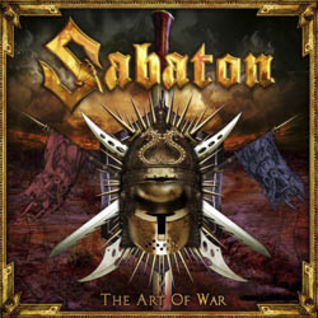
Motywem przewodnim płyty The Art of War jest starożytny chiński traktat Sztuka wojny, napisany przez generała Sun Wu w VI stuleciu p. n. e. Każdy z trzynastu utworów odpowiada jednemu z trzynastu rozdziałów traktatu. Równocześnie Szwedzi nawiązują do historycznych wydarzeń, które odzwierciedlają treść poszczególnych rozdziałów.
Ghost Division wiąże się z rozdziałem drugim, zatytułowanym Prowadzenie wojny. Tytułowa Dywizja duchów (niem. Gespensterdivision) to 7. Dywizja Pancerna, która pod dowództwem Erwina Rommla brała udział w niemieckiej inwazji na Francję wiosną 1940 roku.
Niemieccy czołgiści zasłużyli na tę nazwę dzięki niezwykłej szybkości, z jaką posuwali się w głąb Francji. Określenie dokładnego położenia czołgów bywało trudne nawet dla nazistowskiego dowództwa, Rommel bowiem często zrywał łączność, aby sztab nie przeszkadzał mu podczas podejmowanych działań. Tempo przemieszczania się Dywizji duchów było tak duże, że generał w listach do żony żartobliwie określił kampanię francuską jako Tour de France.







Komentarze (0)