Tekst piosenki
I was a child actor
A face on a wall
Holding my breath
As I wait for the curtain to fall
Was it good enough?
Was it ever good enough?
Anything, be the person that you want
I was a child actor
Born to applause
Wasting away
As I chase all the roles I’ve lost
Was I good enough?
Was I ever good enough?
Is it me that they see when the cameras are off?
Won’t you
Turn the cameras off
Turn the cameras off
Turn the cameras off
Turn the cameras off
Turn the cameras off
Turn the cameras off
Turn the cameras off
I was a child actor
A name on the board
Losing myself as I use someone else’s words
Is it true enough?
Is it ever true enough?
Understand who I am
When the credits roll
Won’t you
Turn the cameras off
Turn the cameras off
Turn the cameras off
Turn the cameras off
Turn the cameras off
Turn the cameras off
Turn the cameras off
Turn the cameras off
Turn the cameras off
Turn the cameras off
Turn the cameras off
Turn the cameras off
Turn the cameras off
Turn the cameras off
Turn the cameras off
Turn the cameras off
Say, are you who I think you are?
Hey, aren’t you who I think you are?
Where have I seen your face?
I’ve seen your face before
I don’t know who you think you are
Turn the cameras off
Turn the cameras off
Turn the cameras off
Turn the cameras off
Turn the cameras off
Turn the cameras off
Turn the cameras off
Turn the cameras off
Turn the cameras off
Turn the cameras off
Turn the cameras off
Turn the cameras off
Turn the cameras off
Turn the cameras off
Turn the cameras off
Turn the cameras off
Won’t you
Turn the cameras off
Turn the cameras off
Turn the cameras off
Turn the cameras off
Turn the cameras off
Turn the cameras off
Turn the cameras off
I was a child actor
Tłumaczenie piosenki
Analiza piosenki
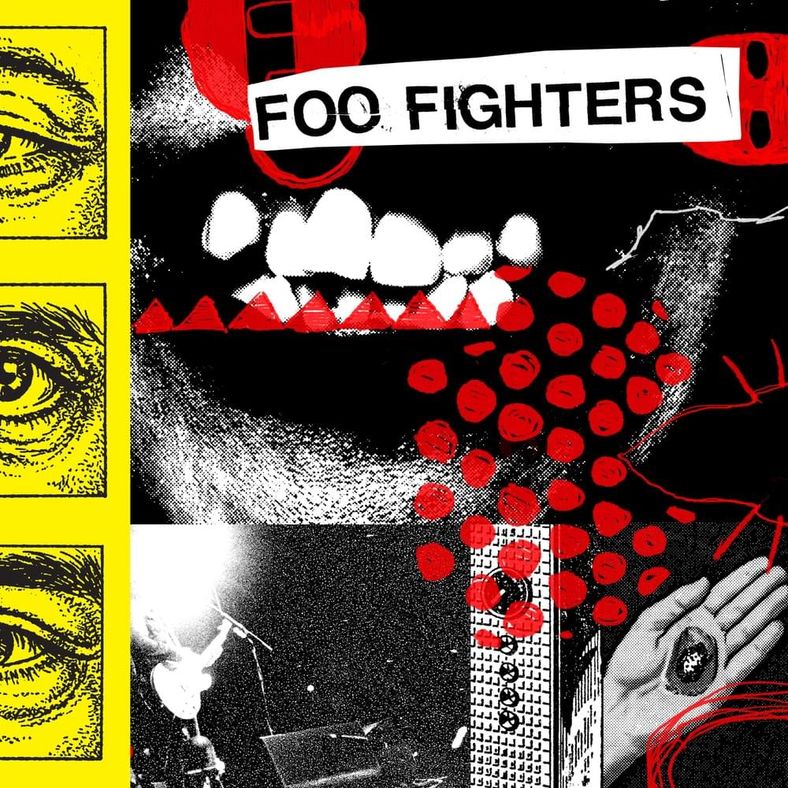
„Child Actor” to utwór pochodzący z wydanego 24 kwietnia 2026 roku dwunastego pełnowymiarowego albumu studyjnego amerykańskiego zespołu rockowego Foo Fighters. Wydawnictwo noszące tytuł „Your Favorite Toy” ukazało się za pośrednictwem wytwórni RCA Records oraz Roswell Records, Inc..
Utwór „Child Actor” mówi o koszcie performatywnej tożsamości. Dave Grohl, który spędził niemal całe życie na scenach i przed obiektywami, posługuje się metaforą dziecięcego aktora – kogoś, kto nauczył się grać, zanim dowiedział się, kim jest – aby prześledzić powolną erozję autentycznego „ja”.
Utwór to seria pytań bez odpowiedzi o wartość, prawdę i uznanie, przerywanych obsesyjnym, błagalnym refrenem: „Wyłącz kamery”. To prośba nie tylko o prywatność, ale o pozwolenie na przerwanie występu, o odkrycie, czy ktoś pozostaje za twarzą na ścianie, gdy publiczność znika.
„Child Actor” to mowa pochwalna na cześć „ja”, któremu nigdy nie dano szansy na uformowanie się poza kadrem. Grohl pisze z głębokiej empatii dla dziecka, które nauczyło się być tym, kim było trzeba, wstrzymywało oddech i czekało na aprobatę, i które osiągnęło dorosłość bez jasnej odpowiedzi na pytanie, kim jest, gdy nikt nie patrzy.
Surowość utworu – oszczędny tekst, nieustanne skandowanie „Wyłącz kamery”, brak rozstrzygającego refrenu – odzwierciedla nieuchronność stanu, który opisuje. Nie ma szczęśliwego zakończenia, nie ma chwili wyzwalającej ciemności, jest tylko powtarzające się, coraz bardziej rozpaczliwe pragnienie zakończenia spektaklu i niepokojące podejrzenie, że dla dziecięcego aktora, który dorastał przed kamerą, spektakl nigdy się nie skończy. Kamery pozostają włączone, nawet w najcichszych pomieszczeniach, a uwolnione „ja” wciąż czeka, gdzieś za obiektywem, wciąż wstrzymując oddech.
















Komentarze (0)