




[Verse 1]
Give us this day our daily dose of faux affliction
Forgive our sins
Forged at the pulpit with forked tongues selling faux sermons
Because I am a new wave gospel sharp, and you’ll be thy witness
So gentlemen, if you are going to preach, for God sakes preach with conviction!
[Chorus] (x2)
Strike up the band!
Whoa-oh, the conductor is beckoning
Come congregation, let us sing it like you mean it
No, don’t you get it, don’t you get it? Now don’t you… move
[Post-Chorus]
Just stay where I can see you
Douse the lights!
…We sure are in for a show tonight
[Verse 2]
In this little number we are graced by two displays of character
We have got: the gunslinger extraordinaire vs. walking contradictions
And I for one can see no blood from the hearts and the wrists you allegedly slit
And I for one will not stand for this, if this scene were a parish, you’d all be condemned
[Chorus] (x2)
Strike up the band!
Whoa-oh, the conductor is beckoning
Come congregation, let us sing it like you mean it
No, don’t you get it, don’t you get it? Now don’t you… move
[Bridge] (x2)
Just stay where I can see you
Douse the lights!
…We sure are in for a show tonight
Stay where I can see you
Douse the lights!
[Chorus]
Strike up the band!
Whoa-oh, the conductor is beckoning
Come congregation, let us sing it like you mean it
No, don’t you get it, don’t you get it? Now don’t you… move
„Stale dziękuję Bogu za Estebana” to stwierdzenie o hipokrytach i kłamcach, przebranych za krytyką religii. Druga połowa pierwszego wersetu ujawnia głębsze znaczenie tekstów – zamiast utworu dotyczącego instytucji religijnych, grupa ujawnia, jacy naprawdę są hipokrytycy. Podobny pomysł jest omawiany wcześniej w albumie, szczególnie w drugim wersecie „Jedyna różnica między męczeństwem a samobójstwem to zasięg prasy”.
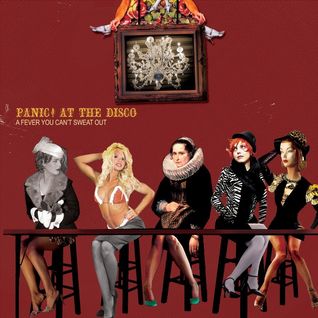
Tytuł został zainspirowany infomercial dla Esteban Guitars, który został ujawniony przez Brendon w kawałku Billboard o albumie Fever. Wiele zespołów na scenie robiło fajne rzeczy [z tytułami piosenek], więc poszliśmy o krok dalej. Nikt nie miał tytułów piosenek tak długich jak nasze. Wiele z nich było po prostu dowcipami. Piosenka „Stale dziękuję Bogu za Estebana” pochodziła z reklamy tych gitar.
Mówiąc do zgromadzenia, aby „śpiewać tak, jak [oni] to znaczą”, insynuuje, że ich wiara w Kościół nie jest prawomocna i że muszą sprzedać swoją religię społeczeństwu, jeśli chcą być traktowani poważnie. Kościół zachowuje się tak, jakby był plujackim obrazem troskliwości, podczas gdy w rzeczywistości jest niczym innym.
















Komentarze (0)