

There’s a place I must go
There’s a place I must go
It’s not a place I have seen
But I’ll get there in a new dream
Down an ocean road
Past a sign that says „good love town”
Into a darkness where the stars do drown
Where the starry me needs to be free
And when the battle was done
I was promised my sun
But with a thousand (k)nights gone
To any kingdom I run
And when the battle was done
I was promised my sun
But with a thousand (k)nights gone
To any kingdom I run
There’s a place I must go
There’s a place I must go
For my heart is a child
That stumbles lonely for the arms of a bride
Hear the desert sigh
Sing the city’s lullaby
The giant iris of the wide blue sky
Showing me the way
And when the battle was done
I was promised my son
But with a thousand (k)nights gone
To any kingdom I run
And when the battle was done
I was promised my son
But with a thousand (k)nights gone
To any kingdom I run
You know that it’s time to go up, up, up, up, up
Had a big machine riding your shoulders
You know that it’s time to go up, up, up, up, up
Had a big machine riding your shoulders
You know that it’s time to go up, up, up, up, up
Had a big machine riding your shoulders
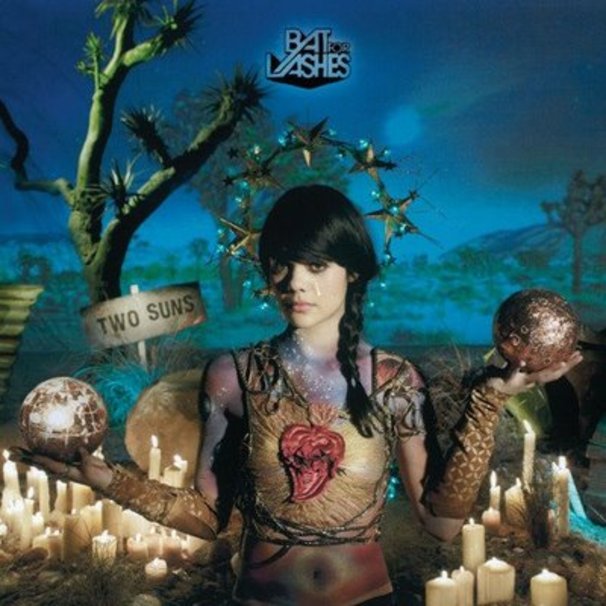
Motywem przewodnim albumu Two Suns jest dualizm, postrzegany w wymiarach takich jak dwoje kochanków, dwie planety czy dwie strony osobowości. Natasha Khan wprowadza na płycie swego rodzaju alter ego, postać imieniem Pearl. W materiałach promocyjnych krążka jest ona opisana jako destrukcyjna, samo-zaabsorbowana, blondwłosa femme fatale, której zachowanie stanowi bezpośredni kontrast dla bardziej mistycznej, zrodzonej z pustyni, duchowej natury Khan.
Tekst piosenki – dedykowanej oczywiście dla zepsutej blondynki Pearl – jest bardzo enigmatyczny, z pomocą przychodzi jednak teledysk. Natasha stacza w nim swego rodzaju pojedynek z jasnowłosym alter ego. Kiedy śpiewa i tańczy na scenie, Pearl obserwuje występ; początkowo z lekceważeniem, ale później z rosnącym zainteresowaniem. W finale postanawia zakraść się do artystki od tyłu, zostaje jednak unicestwiona. Pozostaje tylko szata i peruka.
Tym samym możemy dojść do wniosku, że bitwa, o której śpiewa w refrenie Khan, jest właśnie starciem z egoistyczną, zdemoralizowaną stroną własnej natury, której artystka pragnie się wyrzec – i nad którą zwycięża.














Komentarze (0)