

[Intro]
Father, don’t blame us for trying to live
For trying to love, for wanting more
Father, don’t blame us for trying to bleed
Like real human beings and nothing more
[Verse 1]
Why did you dress our pleasure up as greed?
While you’re limiting our love, taking sunlight from the seed?
Why did you give us hearts we don’t understand
Like an apple in our hand that you’ll never let us have?
[Pre-Chorus]
And I hear you don’t like it
I don’t care if you don’t
[Chorus]
Father, don’t blame us for trying to live
For trying to love, for wanting more
Father, don’t blame us for trying to bleed
Like real human beings and nothing more
[Verse 2]
Oh, do you еnvy how I’m free?
How the life in me is rеal, running barefoot through the fields?
Oh, does it hurt how I don’t look at you with fear?
Do you like to watch me kneel, ’cause the way it makes you feel?
[Pre-Chorus]
And I hear you don’t like it
I don’t care if you don’t
[Chorus]
Father, don’t blame us for trying to live
For trying to love, for wanting more
Father, don’t blame us for trying to bleed
Like real human beings and nothing more
[Outro]
You can burn the skin I live in
But you cannot burn the witch away
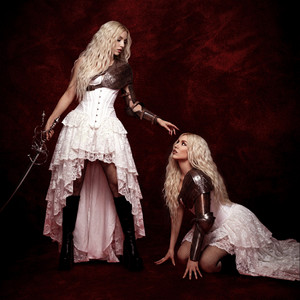
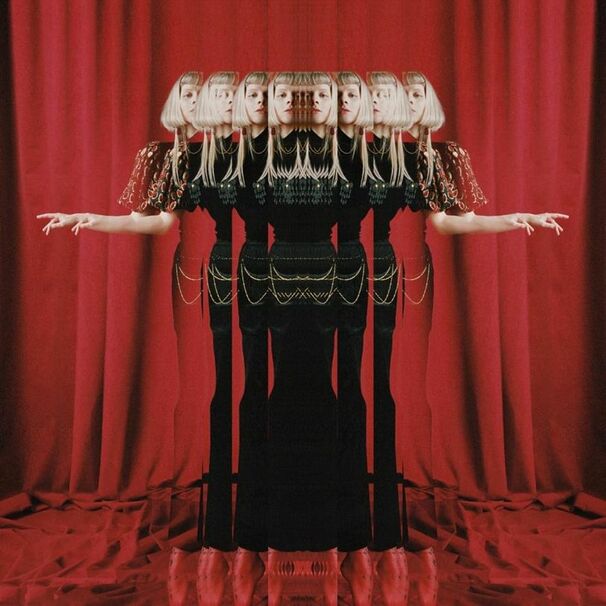
„The Devil is Human” to utwór pochodzący z wydanego 21 lutego 2022 roku trzeciego albumu studyjnego norweskiej piosenkarki i autorki tekstów Aurory Aksnes, zatytułowanego „The Gods We Can Touch.” Utwór do streamingu trafił dopiero w lipcu, ponieważ wcześniej, jako jedna z dwóch piosenek z projektu, został wydany wyłącznie na winylowym wydaniu „The Gods We Can Touch.”
Pierwotnie piosenka „The Devil is Human” nosiła tytuł „Father Don’t Blame Us”, jak odkryto w różnych repertuarach piosenek we wrześniu 2020). Piosenka najwyraźniej mówi o próbie życia jak człowiek, pomimo dzielących ludzi i bogów różnic. Bóg o którym mowa w piosence karze za życie i doświadczanie tego, co człowiek. Osoba wypowiadająca się w piosence stwierdza, że jest to wynikiem jego zazdrości.
„The Devil is Human” odnosi się również do procesów czarownic i tego, jak kobiety były niesłusznie zabijane, o czym najwyraźniej świadczą słowa outro – „(…) Ojcze, nie obwiniaj nas za to, że próbujemy żyć/ Za to, że próbujemy kochać, za to, że pragniemy czegoś więcej/ Ojcze, nie obwiniaj nas za to, że próbujemy krwawić/ Jak prawdziwi ludzie i nic więcej/ Możesz spalić skórę, w której żyję/ Ale nie możesz spalić wiedźmy (…)”










Komentarze (0)