




Tekst piosenki
[Verse 1]
Said the straight man to the late man
„Where have you been?”
I’ve been here and I’ve been there
And I’ve been in between
[Chorus]
I talk to the wind
My words are all carried away
I talk to the wind
The wind does not hear, the wind cannot hear
[Verse 2]
I’m on the outside looking inside
What do I see
Much confusion, disillusion
All around me
[Chorus]
I talk to the wind
My words are all carried away
I talk to the wind
The wind does not hear, the wind cannot hear
[Verse 3]
You don’t possess me don’t impress me
Just upset my mind
Can’t instruct me or conduct me
Just use up my time
[Chorus]
I talk to the wind
My words are all carried away
I talk to the wind
The wind does not hear, the wind cannot hear
I talk to the wind
My words are all carried away
I talk to the wind
The wind does not hear, the wind cannot hear
[Verse 4]
Said the straight man to the late man
„Where have you been?”
I’ve been here and I’ve been there
And I’ve been in between
Tłumaczenie piosenki
Analiza piosenki
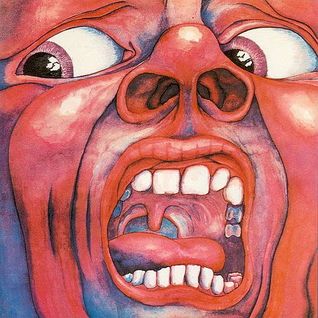
Kompozycję otwiera partia fletu w wykonaniu Iana McDonalda, która – budując leniwy, spokojny nastrój – tworzy wyraźny kontrast w odniesieniu do poprzedzającego ją na płycie, agresywnego i dystopijnego „21st Century Schizoid Man”. King Crimson powtórzył podobny zabieg na kolejnym albumie „In the Wake of Poseidon”, stawiając w opozycji do siebie „Pictures of a City” oraz „Cadence and Cascade”.
Tytułowy „wiatr”, z którym podmiot liryczny bezskutecznie usiłuje nawiązać porozumienie, może stanowić metaforę Boga, siły wyższej. Jeżeli podążymy tym tropem, będziemy mogli interpretować kompozycję jako wyraz zniechęcenia względem Stwórcy, który nie słucha naszych próśb oraz modlitw; wydaje się być wobec nas całkowicie obojętny. Porównanie demiurga do wiatru wskazuje, że jest on czymś nieuchwytnym, niedostrzegalnym, a efekty jego działań – w opozycji do tego, co głoszą rozmaite religie – mają najczęściej charakter przypadkowy, chaotyczny.
Peter Sinfield, autor tekstu, wspomina tutaj o „zamęcie”, który widzi wszędzie wokół. Ta myśl została rozwinięta na pochodzącym z tej samej płyty „Epitaph”, gdzie „zamęt” stanowi epitafium zniesmaczonego światem podmiotu lirycznego.






Komentarze (0)