




Tekst piosenki
[Verse 1]
Take it off, take it in
Take off all the thoughts of what we’ve been
Take a look, hesitate
Take a picture you could never recreate
Write a song, make a note
For the lump that sits inside your throat
Change the locks, change the scene
Change it all, but can’t change what we’ve been
[Chorus]
Oh, oh
Your trojan’s in my head
Oh, oh
Your trojan’s in my head
Your trojan’s in my head
[Verse 2]
It’s okay if it’s gone
The thoughts that you had that it was the one
And, oh, what is left?
For all those times, is that what you get?
Oh, regardless, the walls get painted anyway
Oh, you’re guarding the gates, but it all got away
[Chorus]
Oh, oh
Your trojan’s in my head
Oh, oh
Your trojan’s in my head
Your trojan’s in my head
Your trojan’s in my head
Your trojan’s in my head
Your trojan’s in my head
[Bridge]
Take it off, take it in
Take off all the thoughts of what we’ve been
Take a look, hesitate
Take a picture you could never recreate
Write a song, make a note
For the lump that sits inside your throat
Change the locks, change the scene
Change it all but can’t change what we’ve been
[Chorus]
Oh, oh
Your trojan’s in my head
Oh, oh
Your trojan’s in my head
Oh, oh
Your trojan’s in my head
Oh, oh
Your trojan’s in my head
Your trojan’s in my head
[Outro]
Take it off, take it in
All the thoughts of what we’ve been
Take off all the thoughts of what we’ve been
Tłumaczenie piosenki
[Zwrotka 1]
Zdejmij to z siebie, pogódź się z tym
Zapomnij o wszystkim, czym byliśmy
Przyjrzyj się, zawahaj się przez chwilę
Zrób zdjęcie, które uda ci się zrobić tylko raz w życiu
Napisz piosenkę, zauważ w końcu
Gulę uwierającą cię w gardle
Zmień zamki, zmień otoczenie,
Możesz zmienić to wszystko, ale nie zmienisz tego kim byliśmy
[Refren]
Och, och
Mam w głowie twojego konia trojańskiego
Och, och
Mam w głowie twojego konia trojańskiego
Mam w głowie twojego konia trojańskiego
[Zwrotka 2]
Już dobrze, już po wszystkim
Po myślach, że to ten jedyny
I, och, co ci z tego zostało?
Za te wszystkie dni, tylko tyle dostałaś w zamian?
Och, nieważne, ściany i tak się pomaluje
Och, pilnujesz bram, ale to wszystko minęło
[Refren]
Och, och
Mam w głowie twojego konia trojańskiego
Och, och
Mam w głowie twojego konia trojańskiego
Mam w głowie twojego konia trojańskiego
Mam w głowie twojego konia trojańskiego
Mam w głowie twojego konia trojańskiego
Mam w głowie twojego konia trojańskiego
[Przejście]
Zdejmij to z siebie, pogódź się z tym
Przyjrzyj się, zawahaj się przez chwilę
Napisz piosenkę, zwróć w końcu uwagę
Na gulę uwierającą cię w gardle
Zmień zamki, zmień otoczenie,
Możesz zmienić to wszystko, ale nie uda ci się zmienić tego, kim byliśmy
[Refren]
Och, och
Mam w głowie twojego konia trojańskiego
Och, och
Mam w głowie twojego konia trojańskiego
Och, och
Mam w głowie twojego konia trojańskiego
Och, och
Mam w głowie twojego konia trojańskiego
Mam w głowie twojego konia trojańskiego
[Wyjście]
Zdejmij to z siebie, pogódź się z tym
To, kim byliśmy
Zapomnij o tym, kim byliśmy
Analiza piosenki
„Trojans” to piosenka o próbie poradzenia sobie z zakończeniem związku. Autorzy utworu śpiewają o oczyszczeniu duszy i ciała z przeszłej miłości.
W pierwszych wersach Keith Jeffery zwraca się do bohatera utworu by zdjął z siebie ciężar i odrzucił wszystkie myśli, które kojarzą mu się z byłą partnerką lub partnerem. W ramach katharsis, osoba porzucona powinna napisać piosenkę, wiersz, zrobić coś czego wcześniej nie mogła. Wokalista radzi także, by osamotniony człowiek zmienił zamki w drzwiach, przeprowadził się w inne miejsce. Tytułowy „Trojan” to koń trojański, pochodzący z mitologii greckiej lub popularny rodzaj wirusa komputerowego. W odniesieniu do tekstu utworu, oznacza on chorobę i emocje pozostałe po poprzednim związku. Autor piosenki zastanawia się także nad słowami niegdyś wypowiedzianymi przez zakochanego człowieka. Zwraca się do bohatera „Trojans”, jak skomentowałby teraz uprzednie myśli o trwałości tej relacji i gdzie jest jego wiara w nieśmiertelność miłości.
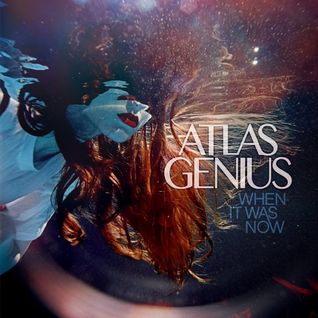
„Trojans” to pierwszy i zarazem najbardziej popularny singiel grupy Atlas Genius.





Komentarze (0)