




Tekst piosenki
Following on from the page on classic Gothic novels (1760-1820), by the Victorian era, Gothic had ceased to be the dominant genre and was mostly dismissed by critics. Yet, it was in this period that some of the greats of Gothic fiction were created. The Gothic novel became more creative, innovative, and crossed genres.
Notable works of Victorian Gothic Literature
This time works which include Gothic aspects, but that are not entirely Gothic novels, are included.
– James Hogg, Private Memoirs and Confessions of a Justified Sinner, 1824.
– Edgar Allan Poe, 'The Fall of the House of Usher’, 1839.
—, 'The Pit and the Pendulum’, 1842.
—, 'The Oval Portrait’, 1842.
– James Malcolm Rymer, Varney the Vampire; or, the Feast of Blood, 1845–47. The epic of the Penny Dreadfuls.
– Charlotte Brontë, Jane Eyre, 1847.
– Emily Brontë, Wuthering Heights, 1847.
– Nathaniel Hawthorne, The House of the Seven Gables, 1851.
– Sheridan Le Fanu, Uncle Silas, 1864.
—, Carmilla, 1872.
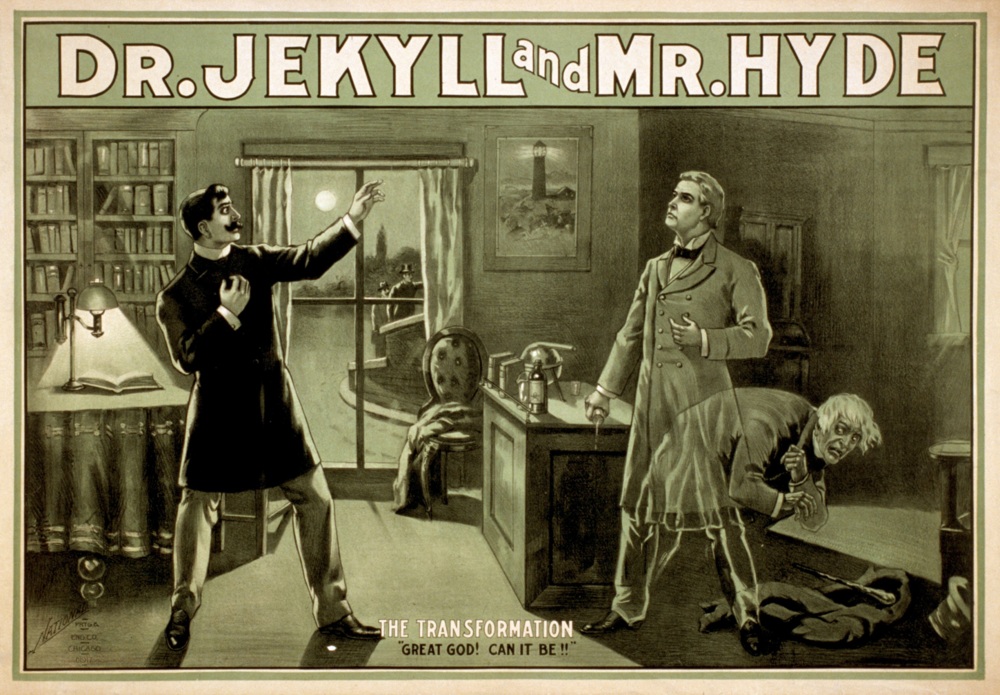
– Robert Louis Stevenson, Strange Case of Dr Jekyll and Mr Hyde, 1886.
– Rudyard Kipling, ‘The Phantom Rickshaw’ (1888).
– Oscar Wilde, The Picture of Dorian Gray, 1891.
– Henry Rider Haggard, She, 1891.
– Bram Stoker, Dracula, 1897.
– Henry James, The Turn of the Screw, 1898.
– Gaston Leroux, The Phantom of the Opera, 1909–1910.
Gothic Poetry
– Charles Baudelaire, Les Fleurs du Mal, 1857.
– Christina Rossetti, Goblin Market, 1862.
Gothic and Ghostly Elements
– Charles Dickens, A Christmas Carol, 1843.
– Wilkie Collins, The Woman in White, 1859.
— The Moonstone, 1868.
– Arthur Conan Doyle, The Hound of the Baskervilles, 1902. Not strictly Gothic, but contains many Gothic elements.
– Joseph Conrad, Heart of Darkness, 1899.







Komentarze (0)