
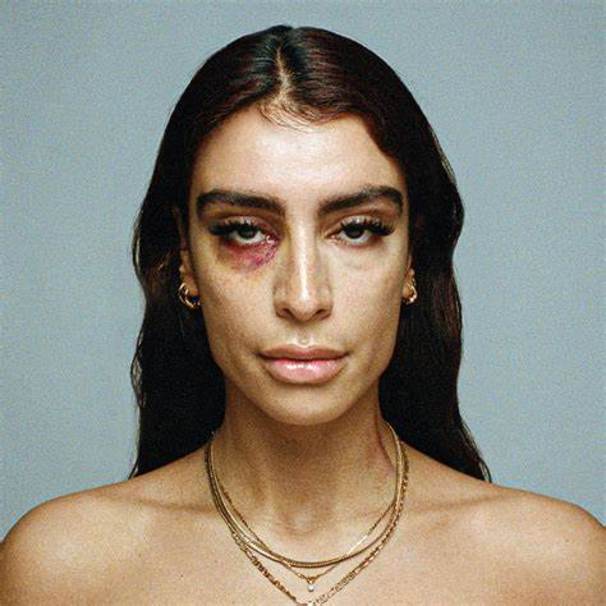




Tekst piosenki
[Chorus]
Oh my God
Who should I be?
What is it you want when you come for me?
Every time, you’re another evil
Waiting for an angel that you bring to Hell
Oh my God
Who should I be?
What is it you want when you come for me?
Every time, you’re another evil
Waiting for an angel that you bring to Hell
Oh my God
Who should I be?
What is it you want when you come for me?
Every time, you’re another evil
Waiting for an angel that you bring to Hell
[Verse]
I’ve been through a lot in life
I lived, loved
Distant from it all
I view myself from above
Roamin’ in the fields of hope
Will it make or break me?
'Cause my dreams are heavy, they outweigh you and me (잊지 마’, спасибо)
[Chorus]
Oh my God
Who should I be?
What is it you want when you come for me?
Every time, you’re another evil
Waiting for an angel that you bring to Hell
Oh my God
Who should I be?
What is it you want when you come for me?
Every time, you’re another evil
Waiting for an angel that you bring to Hell
[Bridge]
True that you’re not alone
True that you’re not alone
(Will it make or break me?)
True that you’re not alone
True that you’re not alone
[Chorus]
O-o-oh my God
Who should I be?
What is it you want when you come for me?
Every time, you’re another evil
Waiting for an angel that you bring to Hell
Oh my God
Who should I be?
What is it you want when you come for me?
Every time, you’re another evil
Waiting for an angel that you bring to Hell
[Bridge]
True that you’re not alone
잊지 마’, спасибо
True that you’re not alone
[Chorus]
Oh my God
Who should I be?
What is it you want when you come for me?
Every time, you’re another evil
Waiting for an angel that you bring to Hell
Oh my God
Who should I be?
What is it you want when you come for me?
Every time, you’re another evil
Waiting for an angel that you bring to Hell
Tłumaczenie piosenki
Analiza piosenki
To nie pierwszy raz, kiedy Sevdaliza wykorzystała muzykę jako sposób na przekazanie swojego przesłania i opinii na temat napięć kulturowych między Stanami Zjednoczonymi a światem Bliskiego Wschodu – wydając w 2017 roku singiel „Bebin” w języku perskim jako odpowiedź do zakazu podróżowania kierowanego przez muzułmanów prezydenta Donalda Trumpa, który obejmował między innymi Iran.
Sevdaliza urodziła się w Teheranie w Iranie i wkrótce potem przeniosła się do Holandii, gdzie dorastała. Jednak jej irańska przeszłość i kultura są nadal obecne w jej muzyce pod względem dźwiękowym i lirycznym.
Sevdaliza tworzy subtelną dwuznaczność z popularnym wyrażeniem „O mój Boże”. Fraza przekształciła się w podstawowy zachodni okrzyk, co doprowadziło do zaniku pierwotnego uczucia religijnego.
Stonowanie wokali również w podobny sposób replikuje stereotypowy zachodni ton wokalny, który nieodłącznie towarzyszy ekspresji. Kolejne linijki pokazują frustrację Sevdalizy z powodu napięcia, które wciąż istnieje między Stanami Zjednoczonymi a światem Bliskiego Wschodu, co jest motywem przewodnim całej piosenki.
Retorycznie pyta „Kim powinnam być?”, co najprawdopodobniej stawia pod znakiem zapytania wagę różnorodności w krajach zachodnich, zwłaszcza w Stanach Zjednoczonych. Wydaje się, że im bardziej społeczeństwo się rozwija, tym bardziej doceniany i przyjmowany jest temat różnorodności.
Z drugiej strony, nadal istnieje duża część amerykańskiego społeczeństwa, które potępia odmienne kultury i stwarza niebezpieczne środowisko dla każdego, kto nie pasuje do eurocentrycznych standardów piękna.







Komentarze (0)