




Tekst piosenki
Call it what you may but know it’s mine
This shame and the things it animates
Things are bound to hurt from time to time
All the same when nothing feels unchanged
See the hand that feeds you be directed in anger
See the hand that feeds you be directed in anger
See the hand that feeds you be directed in anger
Directed in anger
Come and nail me to a chair
Let the hand deglove in style
Make me a part of your statuary
To feeds the birds you’ve leashed inside (Hey)
Do what turns you on
Let it change how you posture the body you’re wearing out
See the hand that feeds you be directed in anger
See the hand that feeds you be directed in anger
See the hand that feeds you be directed in anger
See the hand that feeds you be directed in anger
See the hand that feeds you be directed in anger
See the hand that feeds you be directed in anger
Directed in anger
See the hand that feeds you be directed in anger
See the hand that feeds you be directed in anger
See the hand that feeds you be directed in anger
Directed in anger
Tłumaczenie piosenki
Analiza piosenki
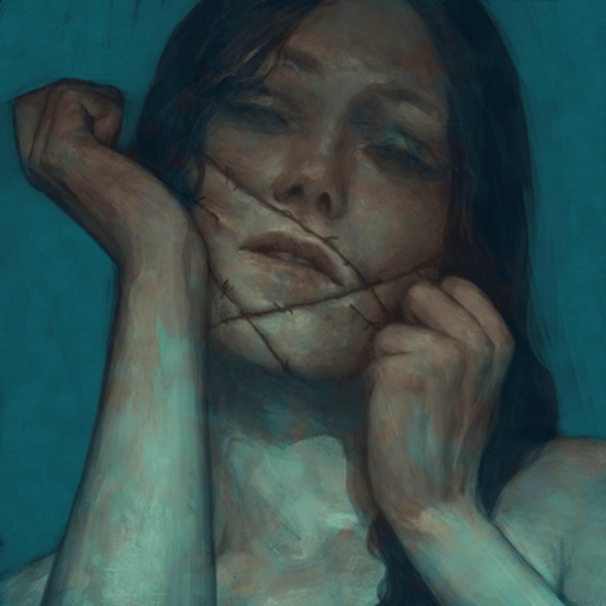
Tekst piosenki eksploruje tematy wstydu, gniewu i destrukcyjnych emocji, które oddziałują zarówno na jednostkę, jak i jej relacje z otoczeniem. Wstyd, opisany jako coś osobistego i nierozłącznego z narratorem, staje się siłą napędzającą działania oraz sposób postrzegania świata. Choć ból i trudności są nieuniknione, narrator zauważa, że w tej ciągłości życia nic nie wydaje się naprawdę zmieniać.
Powtarzający się wers „See the hand that feeds you be directed in anger” (Zobacz rękę, która cię karmi, skierowaną w gniewie) symbolizuje napięcia i paradoksy relacji – zarówno z innymi ludźmi, jak i samym sobą. Ręka karmiąca, zwykle kojarzona z troską i wsparciem, zostaje skierowana przeciwko, co może odnosić się do zdrady, poczucia winy lub konfliktu wewnętrznego.
Kolejne wersy, takie jak „Come and nail me to a chair” (Przybij mnie do krzesła), przywołują obraz ofiary dobrowolnie poddającej się cierpieniu, niemal jak w akcie masochistycznego samozaparcia. Motyw „statuary” (posągu) sugeruje zamrożenie w czasie, jakby bohater chciał stać się obiektem uwielbienia lub analizowania, nawet kosztem utraty własnej autonomii i indywidualności. W tym procesie cierpienie staje się częścią jego tożsamości, elementem, który karmi i utrzymuje ptaki – metaforę chaosu, przymusu lub innych ludzi, którzy korzystają z jego poświęcenia.






Komentarze (0)