
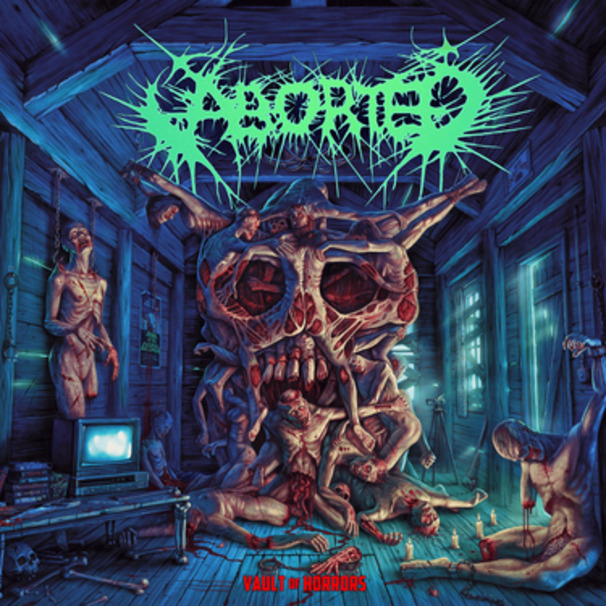




Tekst piosenki
As dread is conceived
In the corners of the psyche
Their demise is veiled by a haze
A fate met with the guidance of hell
A mist of horrors now glazed by death
A grotesque, primeval seed
Obscured by fog, the unknown awaits
As monsters rise from within
Desperation claws at our hearts
This is no fantasy
They’ll be excoriated
Into the dark, into the fog
Arachnoid horrors shall exploit
Sanity forlorn, consuming all
The onslaught’s neverending role
Religious cancer takes a toll
The righteous fall
The ultimate widowmaker
The darkness within
This curse is never-ending
We face the enemy within
In this vile, eldritch veil
Where sanity and reason fail
We drudge through blood and gore
In this mist, where death awaits you all
Where death will take you all
Within the abyss lies a symphony
Sweet melody of violence
A vile, malevolent haze
Prelude to suffering
Purveying hate eternal
At the stroke of twelve
They will pay the price
Forever
In the malevolent haze
I watch them turn on each other
In the malevolent haze
I watch them burn
A final act of despair
Liberate me from this eternal hell
The mist slowly taken away
What have I done?
Tłumaczenie piosenki
Analiza piosenki
Tekst opisuje atmosferę narastającej grozy i strachu, które rodzą się w ludzkiej psychice lub są wywołane przez zewnętrzną, tajemniczą siłę ukrytą we mgle lub oparach („złowrogi opar”, „mglisty welon”). Ta mgła spowija wszystko, skrywając pradawne, groteskowe horrory („pajęcze horrory”, „pierwotne nasienie”) i atakując zdrowy rozsądek ludzi. Wydaje się, że potwory wyłaniają się z samej mgły lub wręcz z wnętrza ludzi („potwory powstają od wewnątrz”, „wróg wewnętrzny”), a chaos potęgują konflikty, być może o podłożu religijnym („religijny rak zbiera żniwo”), prowadząc do rozpaczy i upadku.
Wewnątrz tej złowrogiej mgły zanika logika i rozum, a ludzie pogrążają się w przemocy, zwracając się przeciwko sobie („patrzę, jak zwracają się przeciwko sobie”, „patrzę, jak płoną”). Muszą brodzić we krwi i wnętrznościach, stawiając czoła nieuchronnej śmierci, gdyż mgła jest zwiastunem wiecznego cierpienia i nienawiści. Końcowe wersy sugerują jednak moment otrzeźwienia, gdy mgła opada, i pojawienie się poczucia winy u narratora („Co ja zrobiłem?”), co może wskazywać, że część horroru była wynikiem ludzkich działań pod wpływem strachu i paniki. Całość przywodzi na myśl motywy znane z opowiadania „Mgła” Stephena Kinga lub literatury H.P. Lovecrafta.






Komentarze (0)