
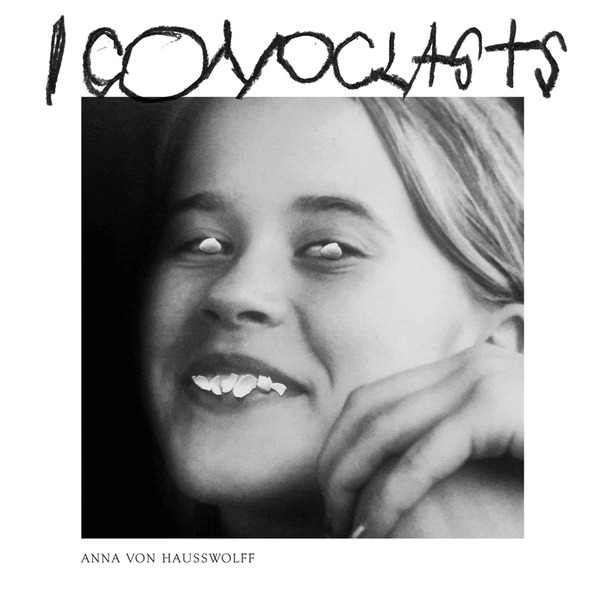




Tekst piosenki
[Verse 1: Anna Von Hausswolff]
Let it go, let it be
Just take that flight, and make a decision to leave
All the soil in this maze
I wanna put it in a state of grace
[Chorus: Anna Von Hausswolff & Ethel Cain]
And we, getting older by the hour (Ooh)
And every year, we have more fear
Ooh, that the dream of the future
Oh, will slowly disappear
[Verse 2: Ethel Cain]
See me out, and set me free
You’ve been given time, but this bird cannot leave
All the love of the soil
It granted time and gave us full control
[Chorus: Ethel Cain]
But we, getting older by the hour
Ooh, and every year, we have more fear
Ooh, that the dream of a family
Ooh, will slowly disappear
[Bridge: Anna Von Hausswolff & Ethel Cain]
In the church, when we cried
Some fallen angels told us to keep our heads high
But one said, „You will burn on the stake
In the crumbled chest of a kindness, your heart will break”
[Chorus: Anna Von Hausswolff & Ethel Cain]
And we, getting older by the hour
Ooh, and every year, we have more fear
Ooh, that the dream of the future
Ooh, will slowly disappear
And we, getting older by the hour
Ooh, and every year, we have more fear
Ooh, that the dream of a family
Ooh, will slowly
Tłumaczenie piosenki
Analiza piosenki
To delikatna, a jednocześnie przejmująca pieśń o przemijaniu i utracie wiary w przyszłość. Anna von Hausswolff i Ethel Cain tworzą wspólnie coś w rodzaju modlitwy — nie do Boga, ale do samego życia, które coraz szybciej wymyka się z rąk. W pierwszej zwrotce słowa „let it go, let it be” brzmią jak próba uwolnienia się od ciężaru rzeczywistości, od tego, co ziemskie i utkane z codziennego błota („soil in this maze”). Chęć „wprowadzenia tego w stan łaski” to potrzeba oczyszczenia, nadania sensu temu, co się rozpadło.
Refren powtarza motyw czasu i lęku – „we’re getting older by the hour” – starzejemy się nie z roku na rok, ale z każdą godziną, a wraz z tym narasta strach, że marzenie o przyszłości czy o rodzinie może zniknąć. W mostku pojawia się obraz upadłych aniołów, jak echo utraconej wiary w coś większego – w miłość, w zbawienie, w sens. To utwór o pogodzeniu z utratą, o dojrzewaniu przez ból, o delikatnej granicy między nadzieją a rezygnacją. W jego ciszy słychać modlitwę ludzi, którzy wciąż chcą wierzyć, choć wiedzą, że z każdym rokiem jest to trudniejsze.







Komentarze (0)