
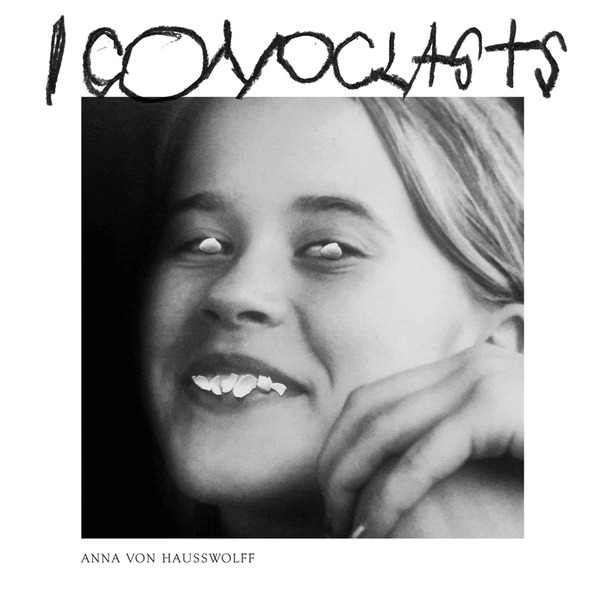




Tekst piosenki
[Verse 1]
I dream big for you
I’ll vanish when it’s due
What’s your story?
Where’s your end?
My sweet child
For you I’ll die
[Verse 2]
No air
No space
But I’m flying over mountains
Up here, there’s no pain
Who am I?
Who am I?
Can I be your dream?
Can I change your life?
[Verse 3]
Find the abundance in life
Love can be cunning and disguised
Be pure and be wild for your soul
And ask for forgiveness
And let things go
[Verse 4]
Kill the abundance of hate
Don’t search for freedom in the states
Too many soldiers all around
And too many children in the ground
[Verse 5]
Seek the apostle from the past
Bury his wisdom, my dear iconoclast
Forgivе your mother for growing old
Forgive your father for growing cold
[Verse 6]
Find thе abundance in your life
Cut out the anger with a knife
Look at it wildly, let it go
And accept the freedom in your soul
[Verse 7]
So many dreams and so many bodies
So many faces all around
Following something, following people
Someone lonely gets left behind
Making up stories, fucking with evil
I’ll fuck everything up in my life
Give me some headspace, give me a mirror
I need to lean into myself for a while
Pouring up red wine into a small glass
Taking a break
Seeking out answers in all the wrong places
It’s expensive to be alive
And we saw a dead man, faceless, no name-tag
Grass bending down all around
But we found a rainbow there in his glasses
Notorious for its design
Can I protect you, Godly creation
And denounce everything I call mine?
Can I protect you, Godly creation
And denounce everything I call mine?
Can I protect you?
Can I protect you?
Can I protect you?
Can I protect you?
Can I protect you?
Tłumaczenie piosenki
Analiza piosenki
To utwór jak długa modlitwa człowieka, który próbuje pogodzić duchowość z bólem istnienia. Zaczyna się jak kołysanka – „Marzę dla ciebie wielkie sny, za ciebie zniknę” – ale szybko staje się podróżą przez pustkę i gęstą refleksję nad tym, czym jest życie, miłość, przebaczenie i śmierć. Każda zwrotka to kolejny etap wewnętrznego oczyszczenia: najpierw pragnienie sensu i wolności, potem bunt przeciwko nienawiści, wreszcie przebaczenie rodzicom i samemu sobie. Tekst wnika głęboko w relacje – z Bogiem, z ludźmi, z własnym cieniem. W wersach o „apostołach przeszłości” i „ikonoklaście” czuć odrzucenie świętości, by odnaleźć prawdę bez pośredników – surową, ludzką, realną.
Ostatnia część to emocjonalny chaos i katharsis. Słowa płyną jak strumień myśli: wino, lustro, śmierć, tęcza w okularach martwego człowieka. To wizja współczesnego świata – zagubionego, zbyt drogiego, przesiąkniętego absurdem. Refrenowe „Can I protect you?” brzmi jak rozpaczliwe pytanie do życia samego – czy można ochronić coś czystego w świecie, który ciągle się rozpada. To nie pieśń o wierze, lecz o odpowiedzialności za istnienie. I o tym, że prawdziwa wolność zaczyna się wtedy, gdy przestajesz uciekać od siebie.





Komentarze (0)